Natural Ways to Keep Aphids Away from Your Vegetables
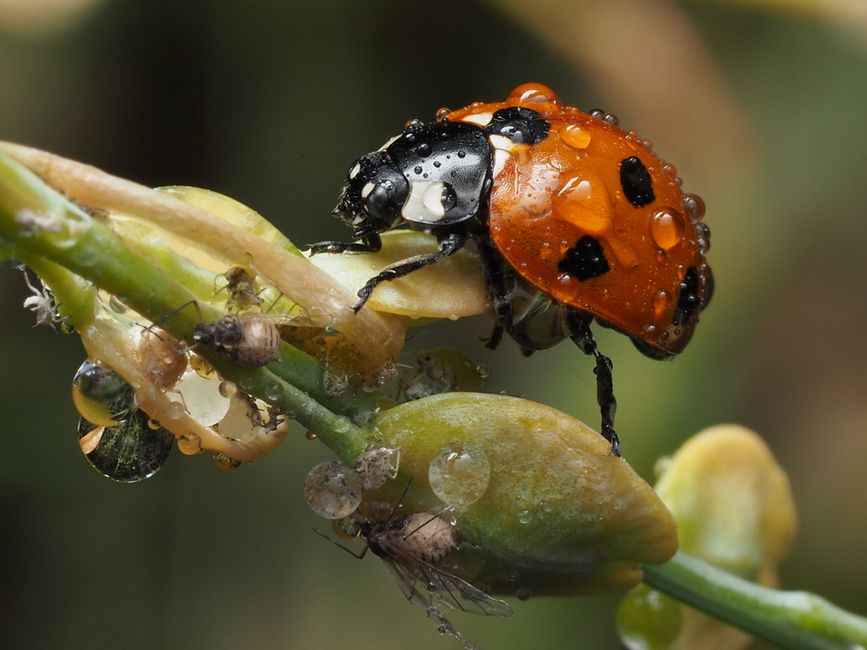
Aphids are among the most common pests encountered in vegetable gardens. These small insects feed on plant sap, potentially weakening plants and transmitting diseases. Many gardeners prefer to avoid synthetic chemicals, seeking methods that align with organic principles. This article explores several natural approaches to managing aphid populations, focusing on companion planting, neem oil sprays, and encouraging beneficial insects like ladybugs.
Understanding the biology and behaviour of aphids is essential for effective management. Aphids reproduce rapidly, and their populations can explode under favourable conditions. They are often found on the undersides of leaves or on new growth, where they feed. Their presence can lead to distorted growth, yellowing leaves, and the production of honeydew, which may encourage sooty mould. By adopting a holistic strategy that includes cultural practices, biological controls, and targeted natural sprays, gardeners can reduce aphid pressure while maintaining a balanced ecosystem.
This guide provides practical information on how to implement these methods in a UK garden context. It is important to remember that no single approach guarantees complete control; rather, an integrated approach that combines several strategies often yields the best results.
Understanding Aphids and Their Impact
Aphids are small, soft-bodied insects that belong to the family Aphididae. They vary in colour, including green, black, yellow, and pink, depending on the species and host plant. They feed by inserting their needle-like mouthparts into plant tissues and sucking out the sap. This feeding can cause stunted growth, curling leaves, and reduced yields. In addition, aphids can transmit viral diseases, such as cucumber mosaic virus, which can be more damaging than the direct feeding injury.
Aphids have a complex life cycle, often involving both winged and wingless forms. Winged aphids can migrate to new plants, facilitating the spread of infestations. They reproduce parthenogenetically, meaning females give birth to live young without mating, allowing for very rapid population growth. Early detection is crucial, as a small number of aphids can quickly become a large colony. Regular monitoring of plants, especially the undersides of leaves and tender shoot tips, helps in taking timely action.
Another important aspect is the relationship between aphids and ants. Ants farm aphids for their honeydew, protecting them from predators in exchange for this sugary substance. Therefore, managing ant populations can also be part of an aphid control strategy. By understanding these ecological interactions, gardeners can make informed decisions about which interventions are most appropriate.
Companion Planting: A Preventative Approach
Companion planting involves placing certain plants together to benefit each other, and it can be an effective way to deter aphids. Some plants act as repellents due to their strong scents, while others attract beneficial insects that prey on aphids. For vegetable gardens, interplanting aromatic herbs such as mint, basil, and chives among susceptible crops may help mask the scent of the host plants, making it harder for aphids to locate them.
Nasturtiums are often recommended as a trap crop. They are highly attractive to aphids, and by planting them near more valuable vegetables, aphids may concentrate on the nasturtiums instead. This does not eliminate aphids but can protect the main crop. Similarly, companion plants like dill, fennel, and yarrow attract hoverflies and lacewings, whose larvae are voracious aphid predators. Including these plants provides a food source for the adult beneficial insects, encouraging them to stay in the garden.
When planning a companion planting scheme, it is important to consider the specific conditions in the UK. Cooler, damp climates can affect plant growth and pest pressure. A diverse garden with a mix of vegetables, herbs, and flowers not only looks attractive but also supports a range of beneficial insects. However, companion planting is not a guaranteed solution; it is a preventative measure that works best as part of an integrated approach.
Neem Oil: A Natural Spray Option
Neem oil is derived from the seeds of the neem tree (Azadirachta indica) and has been used for centuries in pest control. It contains compounds that disrupt the life cycle of insects, including aphids. Neem oil works by interfering with feeding, moulting, and reproduction. When applied to plants, it can reduce aphid numbers significantly, but it is important to use it correctly.
To prepare a neem oil spray, mix the oil with water and a mild detergent or emulsifier, as neem oil does not mix readily with water. The general ratio is about 1-2 tablespoons of neem oil per gallon of water, with a few drops of liquid soap. It is crucial to spray thoroughly, covering all parts of the plant, especially the undersides of leaves where aphids congregate. Reapply every 7-14 days or after rain, as neem oil breaks down in sunlight and rainfall.
Neem oil is considered safe for many beneficial insects, but it can harm some, so it should be applied in the early morning or late evening when bees are less active. Also, avoid spraying during extreme heat or when plants are stressed. In the UK climate, where rain is frequent, it may be necessary to reapply more often. It is also advisable to test the spray on a small area first to ensure no phytotoxicity occurs. While neem oil is effective, it is not a one-time solution; consistent monitoring and application are required.
Attracting Ladybugs and Other Predators
Ladybugs, also known as ladybirds in the UK, are natural predators of aphids. Both adult ladybugs and their larvae feed on aphids, with a single ladybug able to consume a large number over its lifetime. Encouraging ladybugs to visit your garden is a sustainable and environmentally friendly way to keep aphid populations in check.
To attract ladybugs, provide a habitat that meets their needs: food, water, and shelter. Planting a variety of flowering plants that produce nectar and pollen will attract adult ladybugs, as they typically feed on these when aphids are scarce. Plants such as marigolds, calendula, and daisies are beneficial. Also, avoid using broad-spectrum pesticides, as they kill beneficial insects along with pests. Provide small water sources, such as shallow dishes with pebbles for perching.
In addition to ladybugs, other predators like lacewings, hoverflies, and parasitic wasps also help control aphids. Creating a diverse ecosystem with native plants, hedgerows, and undisturbed areas can support these beneficial insects. However, attracting these predators may take time, and their effectiveness depends on the local population and environmental conditions. It is also possible to purchase ladybugs and release them, but this is not always reliable in outdoor settings, as they may disperse. A better long-term approach is to make your garden an inviting place for them naturally.
Cultural Controls and Monitoring
Cultural practices can significantly reduce aphid problems without any sprays. Regular inspection of plants allows for early detection and removal of small infestations. For minor outbreaks, a strong jet of water from a hose can dislodge aphids, but this must be done carefully to avoid damaging plants. Another method is to prune off heavily infested shoots and dispose of them, preventing the spread to other parts of the plant.
Maintaining plant health through proper watering, fertilisation, and spacing can also make plants less susceptible to aphid damage. Stressed plants are more attractive to pests, so providing optimal growing conditions is a key preventative measure. Additionally, crop rotation and removing weeds that may harbour aphids can help reduce populations.
Monitoring tools, such as yellow sticky traps, can be used to detect aphid activity and monitor other insects. These traps are placed near plants to catch winged aphids, providing an early warning. However, they are not a control method by themselves. Record-keeping of pest outbreaks and control measures can help gardeners identify what works best in their specific context. Over time, a tailored approach can be developed, but it is always important to adapt methods based on observation.
Integrated pest management (IPM) is a holistic approach that combines multiple strategies to manage pests while minimising risks to health and the environment. In the context of aphids, IPM might include monitoring, cultural controls, biological controls, and, if necessary, the careful use of natural sprays like neem oil.
Combining Methods for a Balanced Garden
Effective aphid management often requires a combination of the strategies described above. Relying on a single method may not provide sufficient control, as aphid populations can quickly rebound. By integrating companion planting, neem oil sprays, and encouragement of natural predators, gardeners can create a resilient system that reduces the need for intervention.
It is also important to consider the broader garden environment. A diverse garden with a mix of plants, including flowers and herbs, supports a wider range of beneficial insects. Providing nesting sites, such as piles of leaves or bug hotels, offers shelter for overwintering insects. However, it is important to balance these elements according to the space and resources available.
Finally, it is essential to be patient and observant. Natural pest control is not an instant solution; it requires ongoing attention and adjustment. Seasonal variations, weather, and local insect populations all influence the effectiveness of these methods. By staying informed and flexible, gardeners can develop sustainable practices that keep aphids in check while fostering a healthy garden ecosystem.