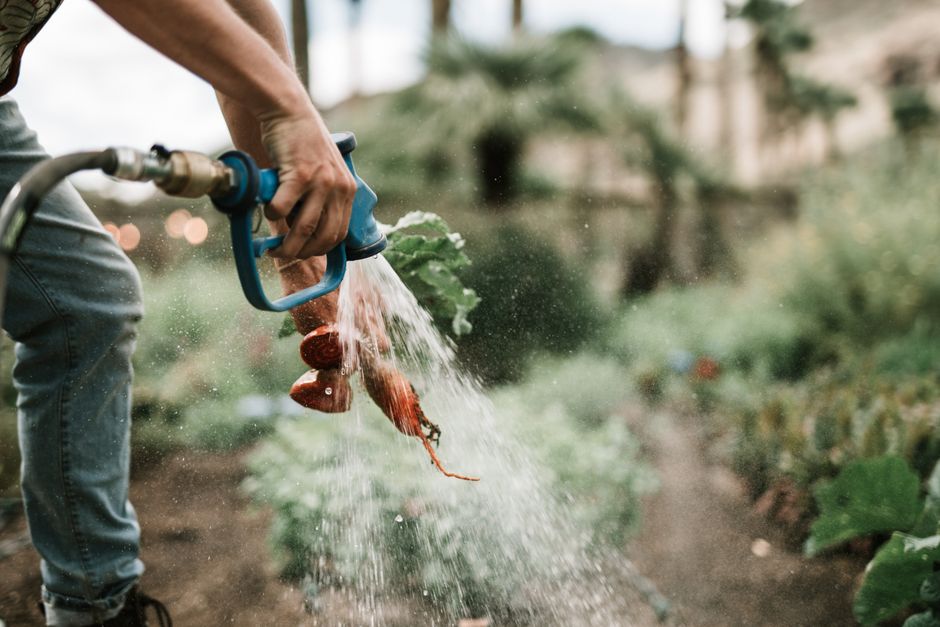
Close-up of hand washing freshly harvested carrots with a hose on a farm, showcasing vibrant, organic produce.

GreenThumb Advice

Your go-to resource for practical gardening advice, covering seasonal tasks, pruning, pest control, and plant selection for a thriving backyard.

Frequently Asked Gardening Questions

  • When is the best time to prune roses?
    The best time to prune roses is typically in late winter or early spring, just before new growth begins. This encourages healthy structure.
  • How can I control slugs and snails organically?
    Organic methods include copper barriers, beer traps, and encouraging natural predators like hedgehogs. Regular evening inspections also help reduce slug populations.
  • What are some low-maintenance plants for a UK garden?
    Consider hardy perennials like lavender, sedum, and ornamental grasses. They require minimal watering once established and thrive in UK climates.
  • How often should I water my vegetable beds in summer?
    Water deeply and less frequently, about once or twice a week, depending on rainfall. Mulching helps retain soil moisture in summer.
  • What seasonal tasks should I do in autumn to prepare for winter?
    Clear fallen leaves, prune deciduous trees, plant spring bulbs, and protect tender plants with fleece or mulch to prepare for frost.

At GreenThumb Advice, we believe that a thriving backyard starts with a clear understanding of seasonal rhythms and practical techniques. Our guidance covers essential tasks like pruning, pest management, and plant selection, all tailored for the UK climate.

Seasonal Gardening Tasks

  • Spring: prepare soil, sow hardy seeds, prune spring-flowering shrubs after bloom.
  • Summer: water consistently, deadhead flowers, harvest early crops.
  • Autumn: clear leaves, plant bulbs, protect tender plants.
  • Winter: plan the garden, clean tools, feed birds.

Pruning Essentials

Pruning is a critical technique that removes dead or overgrown branches, promoting air circulation and healthy growth. The timing depends on the plant species; for instance, many deciduous trees are best pruned during dormancy. Always use sharp, clean tools to make clean cuts.

Pest Control Strategies

  1. Identify the pest before acting.
  2. Encourage beneficial insects by planting a diverse range of flowers.
  3. Use physical barriers like netting or copper tape.
  4. Apply organic sprays only as a last resort.

Choosing Plants for Your Backyard

Choosing the right plants for your backyard involves considering sunlight, soil type, and moisture levels. Native species often require less maintenance and support local wildlife. For a low-maintenance garden, opt for hardy perennials and drought-tolerant varieties.